




 When it comes to growing forage and pasture crops as feed for a successful livestock operation, simply increasing the biomass of these crops isn't enough. Feed quality is another important consideration. In fact, it may be the most important variable in livestock and dairy production, as increased feed quality can lead to higher production of meat and milk.
Biocatalyst technology can have a positive effect on these variables, increasing total biomass of the crop and improving feed quality.
Increase in Dry Matter Production
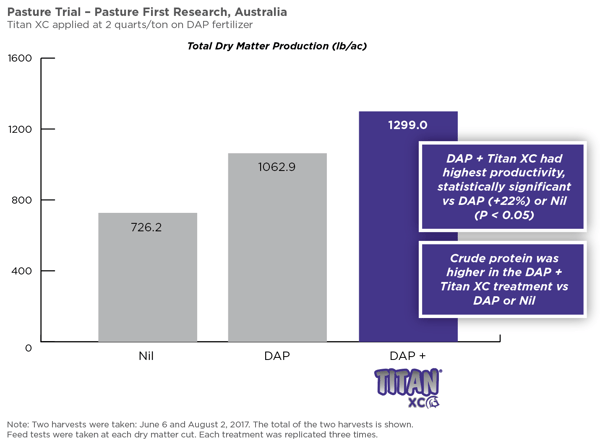
In Victoria, Australia, a third-party, replicated pasture trial was conducted to evaluate the performance of the biocatalyst technology TITAN XC (marketed as BASIS XC in Australia) when used in the grower's standard dry fertilizer program. Treating diammonium phosphate (DAP) with the TITAN XC technology led to a statistically significant increase in dry matter (+236.1 lb/acre) compared to untreated DAP (p<0.05). Crude protein, an indicator of crop quality, was also higher when TITAN XC was used to treat the DAP compared to the untreated dry fertilizer.
Improvement in Feed Quality
What about the effect of biocatalyst technology on other indicators of feed quality?
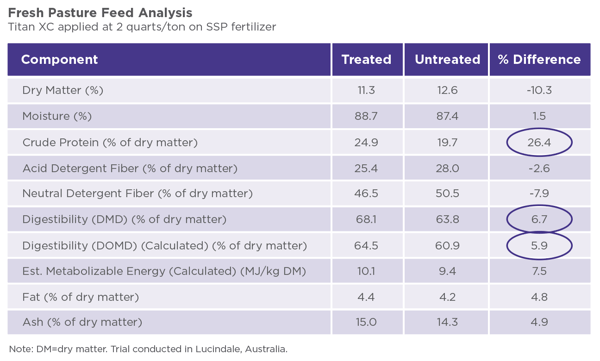
In a pasture trial conducted at Lucindale, Australia, TITAN XC technology was applied on single superphosphate (SSP) fertilizer and compared to untreated SSP. The feed analysis showed that TITAN XC treatment improved multiple measures of feed quality, increasing crude protein by 26.4%, total digestible nutrients (DMD) by 6.7%, and estimated metabolizable energy by 7.5%. TITAN XC treatment of the dry fertilizer also lowered acid detergent fiber by almost 3% and neutral detergent fiber by almost 8%, resulting in greater palatability and digestibility.
These improvements in feed quality can lead to more pounds of beef and lamb produced per acre. They can also lead to more pounds of milk produced per ton of forage, as seen in a trial at a large dairy in California.
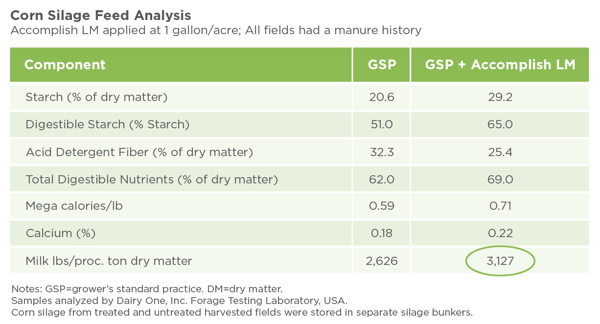
In the trial, ACCOMPLISH LM (available in California today as ACCOMPLISH CA) was broadcast applied at 1 gallon per acre along with the grower's standard practice (GSP) to a field planted for corn silage. The controls were fields planted to corn silage using just the GSP alone. All fields had a history of manure applications from the dairy. Corn silage that was harvested from each treatment was stored in separate bunkers and the feed analysis was conducted after the ensiling process was complete.
Compared to the GSP alone, feed quality was improved across multiple parameters, including the most important one: pounds of milk per ton of silage. Overall, ACCOMPLISH treatment increased milk production by 501 pounds per ton of silage, 16% more than with the GSP alone.
A Positive Impact on Livestock Operations
These trials, and others, demonstrate the positive impact that biocatalyst technologies can have on the forage and pasture crops grown to feed livestock.
Whether by using TITAN XC on dry fertilizer or ACCOMPLISH technology designed for broadcast on each acre (e.g., ACCOMPLISH CA), farmers can increase pasture and forage total biomass and dry matter while also increasing crop quality. This can lead to increased production of meat and milk in livestock operations.
Learn more by downloading the Biocatalyst Technology booklet.

 Already a busy period, harvest is also the time for growers to begin planning for next season's crop. Fall planning can be critical to having a less stressful planting season in the spring. Incorporating

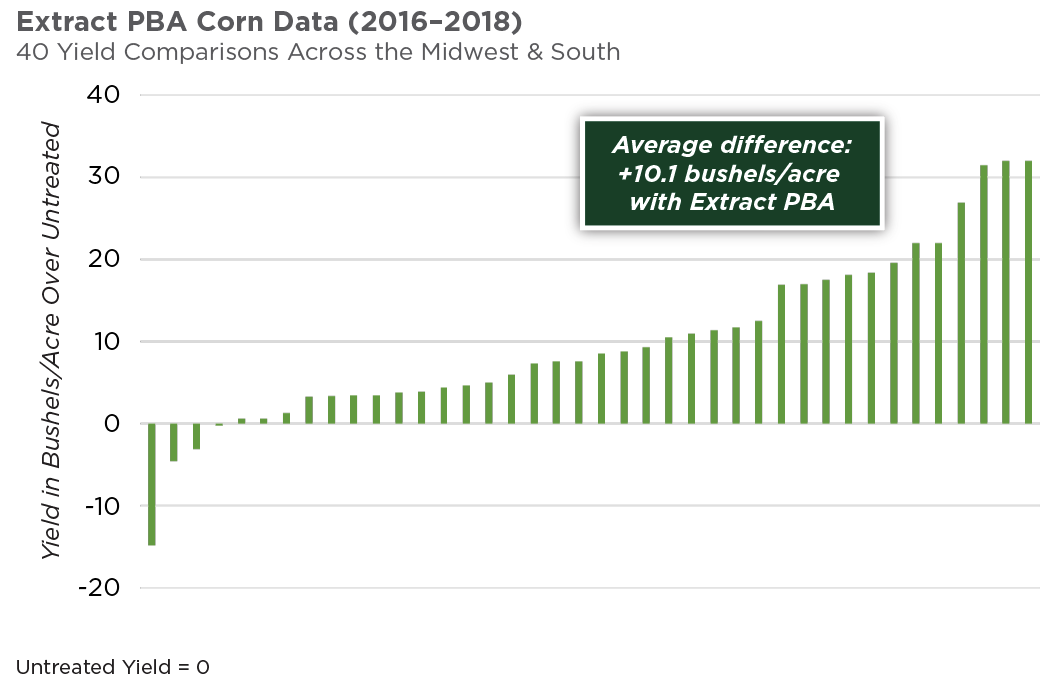
 Luke Bryan makes a valid point when he sings, “rain makes corn,” but do you know what can help make even more corn?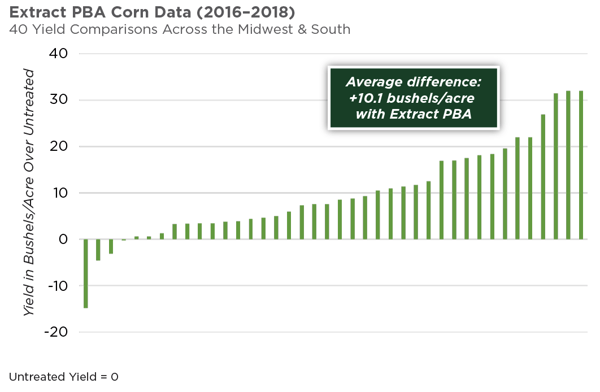



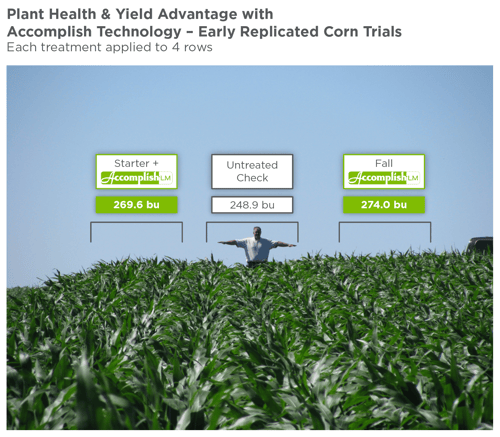
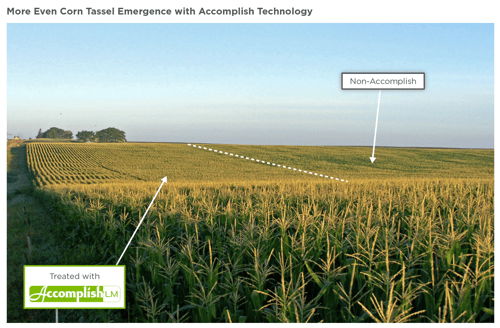




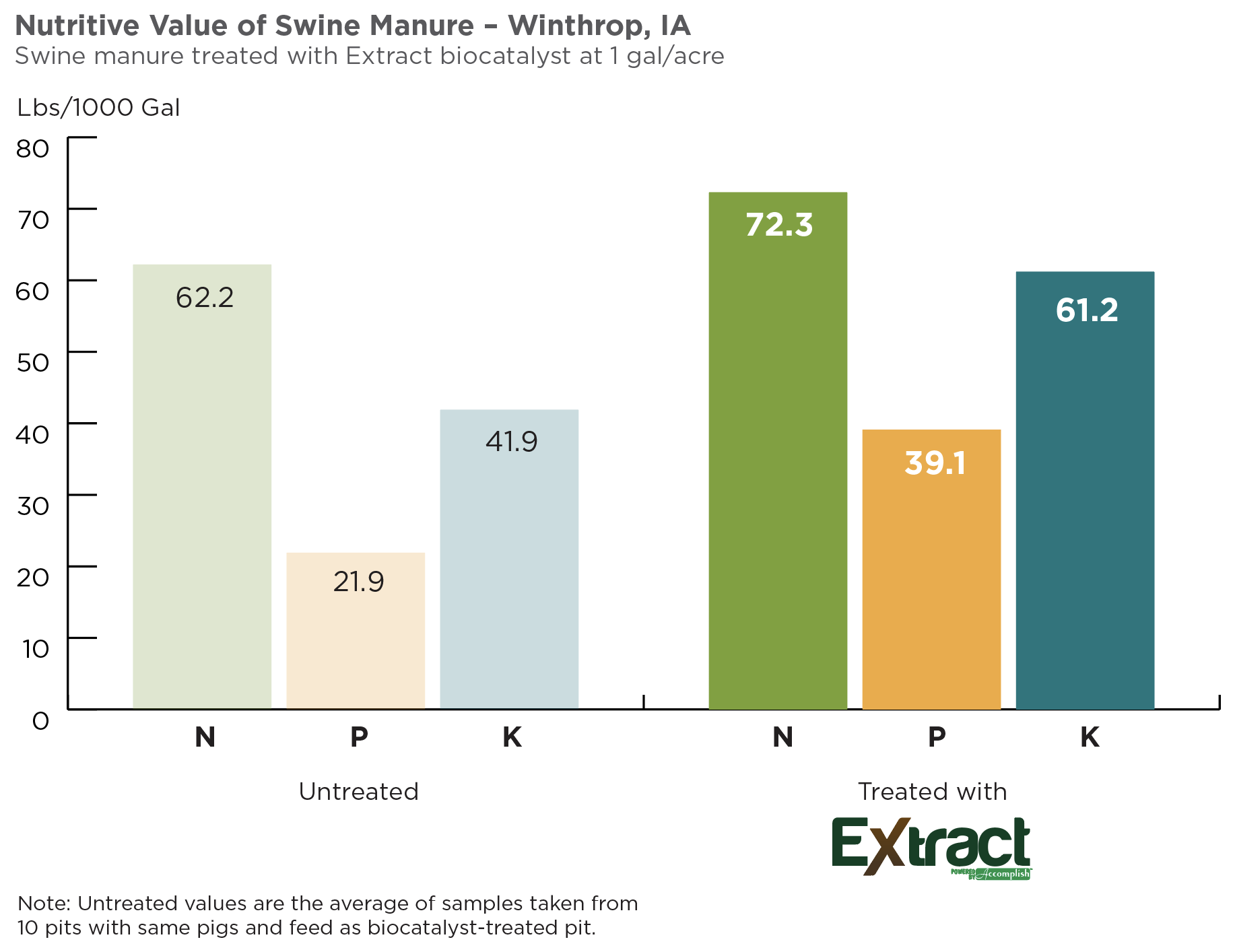
 Although animal manures can be a rich source of nutrients for crops, the nutrients found in them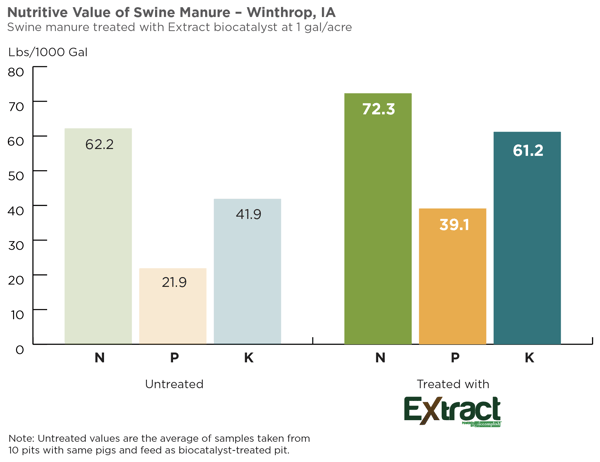


 Many growers apply the “4R” framework for nutrient management—using the right fertilizer source, at the right rate, at the right time and in the right place—to more closely match



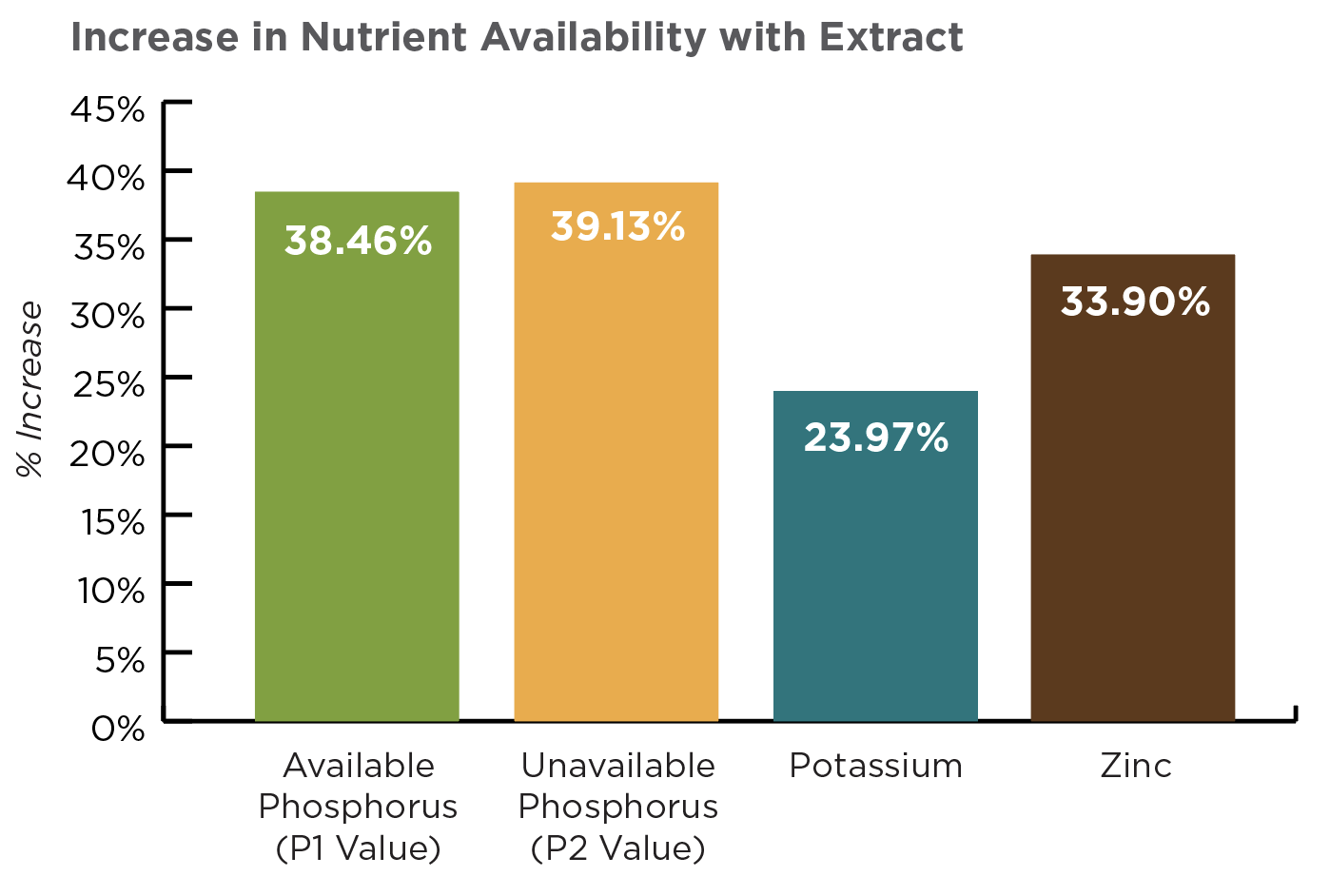
 Wet conditions in the spring can create major planting challenges for growers. Flooding and excess moisture in the fields can lead to millions of acres being left unplanted. Unfortunately, this can create favorable conditions for fallow syndrome, a phosphorus deficiency in the soil that can negatively impact next season’s crop.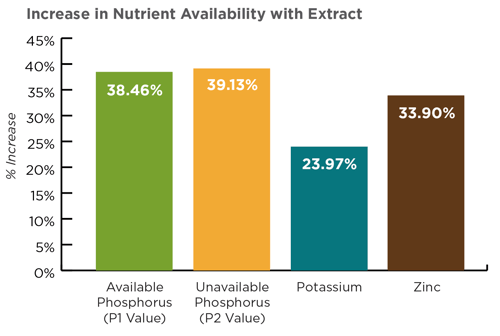
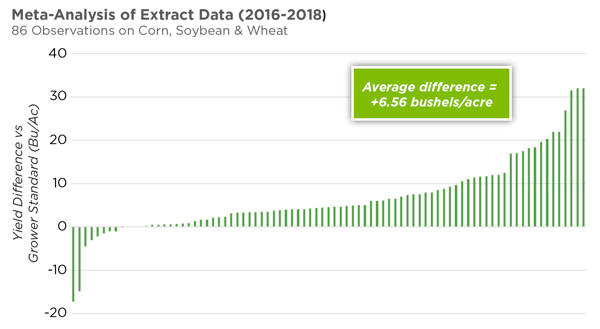


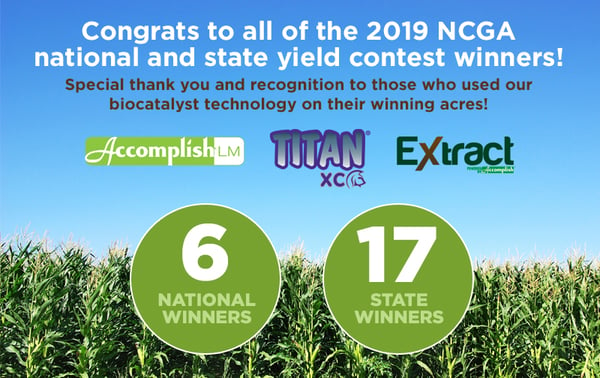
 In 2018, no fewer than five national winners and seven state winners of the
  Don has been entering the NCGA Corn Yield Contest since 2003, when he noticed that he was already achieving yields comparable to the growers who were winning the contest. He has been the Michigan high yield champion for nine years in a row. In both 2017 and 2018,
  Kevin and Shawn have been entering the NCGA Corn Yield Contest since 2007, winning 12 national titles in the non-irrigated division. Both Kevin and Shawn have had
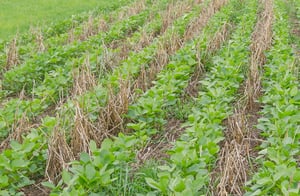 Cover crops provide many benefits that can improve the health of soil, water, and the following crop. However, they can also pose some drawbacks.